

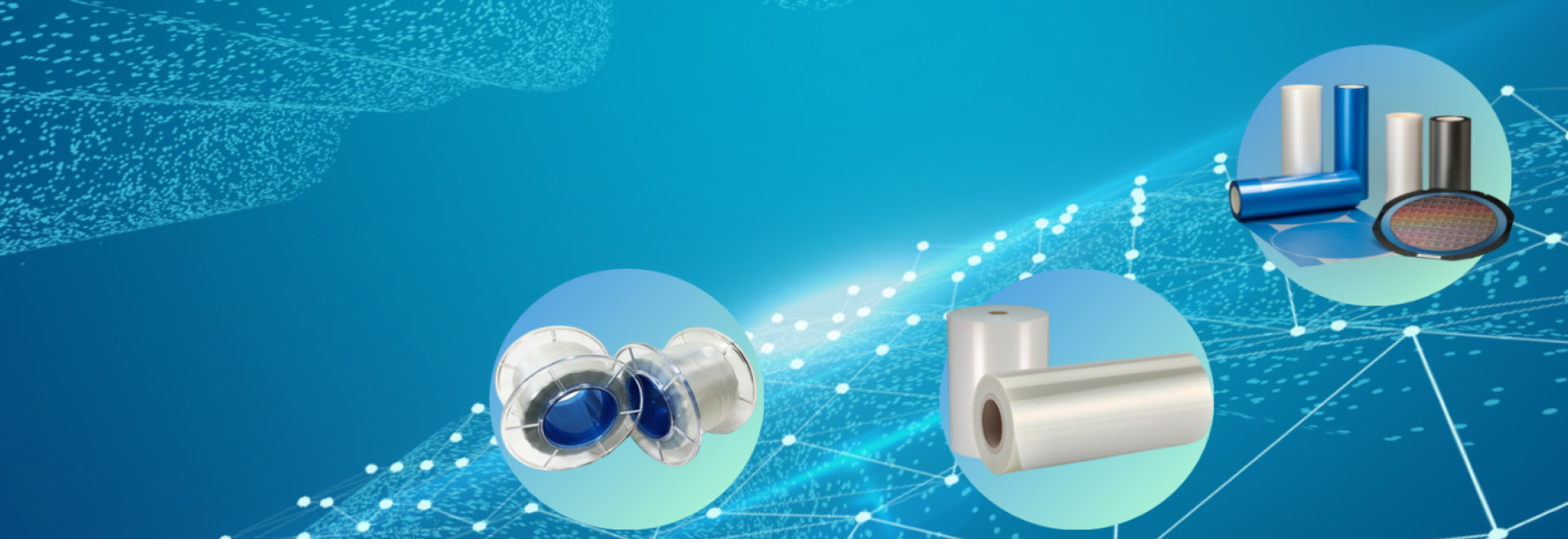
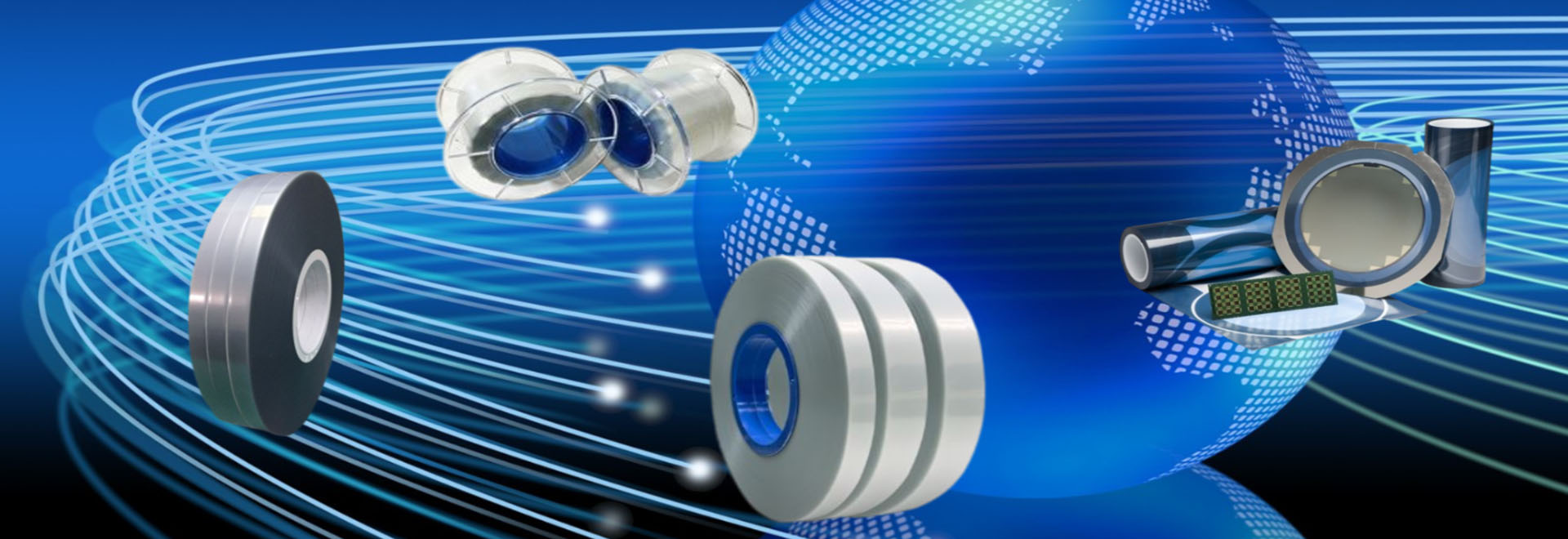
In semiconductor and thin-film deposition processes, the performance of a sputtering target depends not only on material purity and properties, but also on the bonding quality between the target and backing plate.

Common bonding methods include Indium Bonding, Elastomeric Bonding, and Diffusion Bonding. Each method offers different advantages in terms of temperature resistance, thermal conductivity, flexibility, and thermal stress management. The appropriate method should be selected according to the target material, backing plate, and process conditions.
A reliable bonding layer provides more than mechanical support—it also plays an important role in the target's thermal management. Factors such as bonding thickness, voids, bond coverage, and thermal expansion differences can affect heat dissipation and target lifetime.
As semiconductor processes continue to move toward higher power and greater stability, the integration of target materials and bonding technologies is becoming increasingly important for sputtering performance.
Nexteck continues to focus on advanced semiconductor materials and application requirements, providing material solutions for demanding thin-film and semiconductor processes.